Key Takeaways
- The right blinds can improve the look and feel of your bedrooms, from reducing glare in the morning to creating a more restful environment at night.
- Different types of blinds serve different needs, so it helps to choose based on how much light, privacy, and convenience you want in your bedroom.
- Colours and materials should complement your existing furniture and upholstery to create a more cohesive and comfortable space.
- Practical factors like ventilation, humidity, and ease of cleaning are especially important in Singapore’s climate.
- Investing in well-suited blinds can enhance both the look and long-term comfort of your space.
Introduction
Your bedroom is where your day begins and ends, and how it feels can shape your entire routine. Harsh morning glare, lack of privacy, or a room that heats up too quickly can make the space less comfortable than it should be. Choosing the right bedroom blinds can go a long way in helping you balance comfort, privacy, and style, so your space feels more restful and better suited to your daily routine.
The most suitable option will depend on factors such as your sleeping habits, room layout, window size, and exposure to sunlight. For example, bedroom blinds for HDB may need to suit a more compact space, while a west-facing bedroom may require stronger light and heat control.
In this article, we explore how to choose the most suitable options based on your needs, preferences, and the way you use your bedroom.
Exploring the Best Types of Blinds for Your Bedrooms
Not all blinds are designed the same, and the best option often depends on how you use your bedroom and how much control you want over light, privacy, and convenience.
Blackout Blinds for Restful Sleep
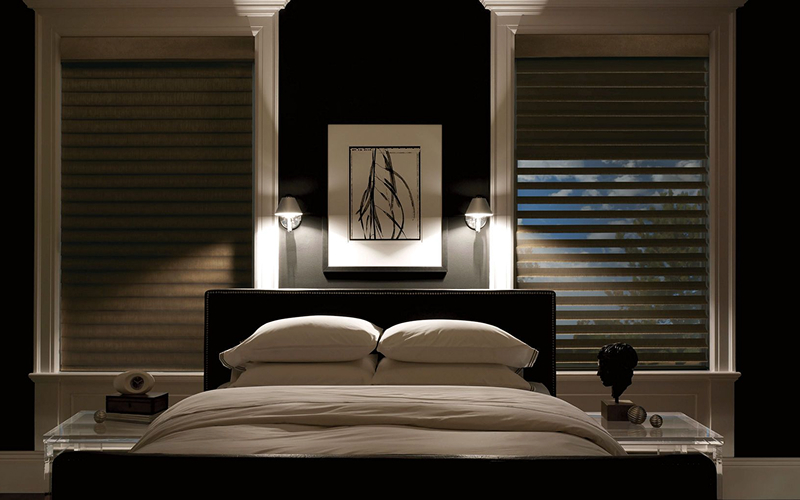
Blackout bedroom blinds provide total privacy and light control.
Blackout window treatments are often among the most effective blinds for better sleep. Blackout blinds for bedroom windows are made with opaque materials that block most outside light, whether it is the early morning sun, streetlights at night, or brightness from nearby buildings. This helps create a darker and calmer setting with fewer changes in light to disturb your rest.
For better results, install them close to the window frame or allow enough overlap to minimise light gaps at the sides. You can also pair them with curtains if you need more complete coverage, especially if your bedroom receives direct sunlight.
For a west-facing bedroom, consider blackout or coated fabrics that can reduce glare and limit some of the heat entering through the glass. While blinds cannot prevent all heat gain, a suitable material can help make a bright room feel more comfortable during the afternoon.
Combi Blinds for Flexible Light Control
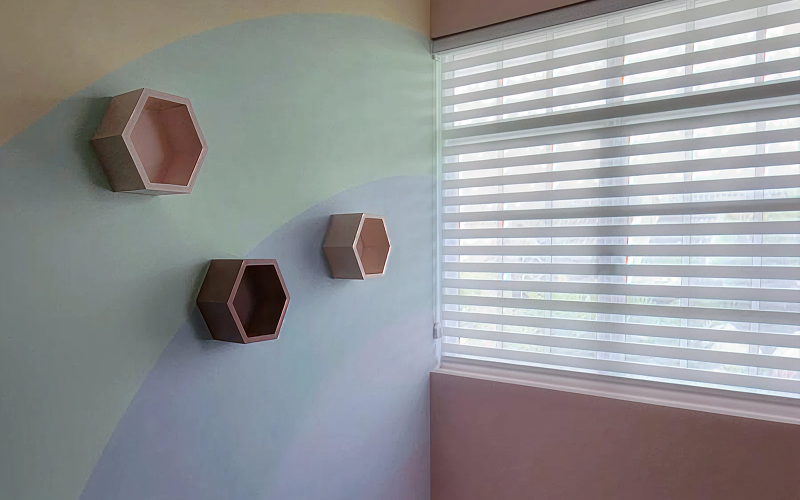
Korean combi blinds in a bedroom for stylish light filtering.
Korean combi blinds can give you more control without requiring separate window treatments. These blinds are designed with alternating sheer and opaque panels, allowing you to adjust how much light enters while still maintaining privacy.
During the day, you can let in softer, filtered light without fully exposing the room, which helps keep the space bright but comfortable. At night, aligning the opaque sections gives you more privacy when you need it.
This makes combi blinds suitable for HDB and condominium bedrooms that face neighbouring blocks or closely positioned windows. They work particularly well when you want flexible coverage without making the space feel completely closed off.
Roller Blinds for a Clean, Fuss-Free Look
Roller blinds are a popular choice if you prefer something simple that still gets the job done. They consist of a single piece of fabric that rolls up neatly when not in use, making them easy to operate and maintain.
These blinds work well in HDB and BTO bedrooms, where too many design elements can make a smaller space feel crowded. Their slim profile helps keep the window area clean and uncluttered, while the choice of fabric allows you to filter daylight, reduce glare, or create a darker setting.
Blackout roller blinds can also be considered for compact bedrooms where full-length curtains may add unnecessary visual weight. However, careful measurement is important, as narrow gaps around the sides can still allow some light to enter.
Automated Blinds for Everyday Convenience
Automated blinds offer a more effortless way to manage light and privacy, especially if you value convenience in your daily routine. With motorised bedroom blinds, you can adjust your blinds using a remote control or wall switch without having to get up.
They are particularly useful for larger windows or areas that are harder to reach. You can also set simple schedules, such as letting in natural light gradually in the morning or closing the blinds in the evening for privacy.
Some systems may also support smart-home controls, depending on the selected motor and setup. This can be helpful when you want your bedroom window treatments to follow a regular daily routine.
How to Match Your Blinds to Your Interior Design
1. Choose Calm, Soothing Colours
The colours you choose for your bedroom blinds matter more than you might think. Lighter shades like off-white, beige, or soft grey help reflect natural light during the day, keeping the room bright without feeling harsh. At night, these same tones create a softer, more relaxed backdrop that does not feel visually heavy.
If your bedroom already has stronger colours or patterns, sticking to more neutral-coloured blinds helps balance the space so it does not feel overwhelming. For added depth, you can look for lightly textured fabrics or subtly layered tones, which add interest without making the interior design feel too busy.
When choosing custom bedroom blinds in Singapore, it helps to view material samples inside the room. Colours and textures may appear different under natural daylight and warm evening lighting, so comparing them with your furniture and finishes can lead to a more cohesive result.
2. Match the Materials to Your Theme
The material of your blinds also influences the overall mood of your bedroom. For example, wooden or wood-look blinds bring warmth and texture, which works well in cosy, natural, or Japandi-inspired spaces where a softer, grounded look is preferred. On the other hand, smoother materials like fabric or PVC suit modern or minimalist interiors, where clean lines and simplicity are key.
It also helps to consider how your blinds pair with other soft furnishings, such as your curtains, bedding, or upholstered pieces like headboards and cushions. When the materials and textures complement each other, the space feels more cohesive and thoughtfully put together.
When comparing blinds vs curtains for the bedroom, consider whether you prefer the neat structure of blinds, the softness of curtains, or a layered arrangement that combines both.
3. Keep Proportions in Mind
Getting the proportions right can make a noticeable difference in how balanced your bedroom looks. For larger or floor-to-ceiling windows, wider or more seamless blinds help complement the scale of the space without looking fragmented.
In smaller rooms or across standard HDB windows, simpler and neatly fitted designs tend to work better, as they keep the space feeling light and uncluttered. Paying attention to scale ensures your blinds enhance the room rather than overwhelm it.
Accurate measurement is especially important for bay windows, tall condominium windows, or unusually wide openings. Professional installation can help ensure the final arrangement fits properly and operates smoothly.
Other Factors You Should Consider
Dust and Mould Buildup
Bedrooms in Singapore can feel humid, especially during rainy seasons or in rooms with limited airflow. Over time, this can lead to musty smells or mould forming on materials that are not properly maintained.
Choose blinds with moisture-resistant finishes, such as coated fabrics, PVC, or appropriately treated wood, to help reduce this risk. It also helps to leave your blinds slightly open during the day to allow airflow, or to use a dehumidifier when moisture levels are high. Do not forget to dust or wipe down the surfaces every week or two as well.
Both curtains and blinds collect dust over time, so the most suitable option is one whose cleaning requirements fit naturally into your household routine.
Balance Ventilation and Blackout Needs
While blackout blinds are practical solutions for bedroom privacy and light control, some designs can make the window area feel enclosed when they are fully lowered. To maintain ventilation, choose a system that can be raised easily when you want to open the window or allow more air to circulate.
If complete darkness is the priority, pairing blackout blinds with curtains can help reduce light entering around the edges. If you prefer more airflow and flexible daylight during the day, combi blinds or adjustable slatted designs may be more suitable.
Blinds cannot eliminate heat, but closing them before the strongest sunlight reaches the glass can help reduce glare and limit some heat gain. The selected material and colour can also affect how well the blind performs in a warm or sun-facing bedroom.
Cost vs Longevity
While it can be tempting to choose more affordable options, it is worth considering how well your blinds will hold up over time. Higher-quality materials and mechanisms often offer better durability, especially in bedrooms exposed to strong sunlight or frequent use. Investing in well-made blinds can reduce the need for replacements and adjustments later on, making them a more practical choice in the long run.
The cost of bedroom blinds depends on the window dimensions, fabric, operating mechanism, and level of customisation. Basic manual roller blinds are generally more affordable, while blackout materials, motorised systems, and larger installations may cost more.
When comparing options, look beyond the initial quotation and consider the quality of the fabric, fittings, workmanship, and after-sales support. Blackout blinds may be worth the investment if early sunlight, nearby street lighting, or shift-work schedules regularly affect your rest. In an already shaded room, a light-filtering or combi blind may provide enough comfort.
Bringing Comfort and Style Together at De Art Studio
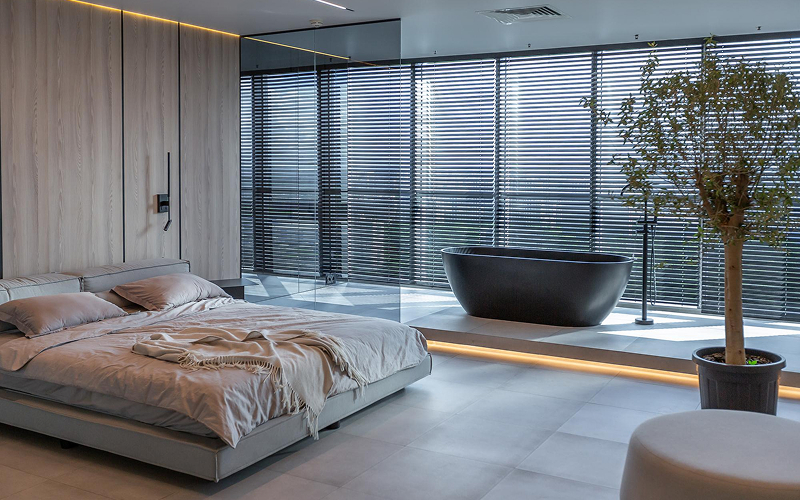
To choose the right blinds for your bedrooms, you should not only consider how they look but also whether they are suitable for your needs and daily routine. From softening harsh morning light to creating a more private and comfortable space at night, the right choice can make your bedroom feel easier to live in and more in tune with your routine.
Not sure what suits your home? De Art Studio, a trusted curtain and blinds shop in Singapore, can help you explore different materials, styles, and finishes at your own pace. With a wide range of custom bedroom blinds and practical guidance along the way, we are here to help you find window treatments that fit both your home and your lifestyle.
Contact us today.