Key Takeaways
- Curtains reduce noise by absorbing sound, not blocking it completely, so they work best for softening everyday background noise in HDBs.
- Thicker fabrics and layered setups improve performance, especially when combining sheer and heavier curtains.
- Full-length and fuller curtain styles help enhance coverage and make noise reduction more effective.
- Curtains alone may not be enough for heavy noise, so combining them with soft furnishings or better window insulation gives better results.
- Choosing the best curtains for noise reduction depends on your room’s needs, whether it is better sleep, comfort, or focus.
Introduction
Living in Singapore means getting used to a certain level of background noise. Whether it is traffic from nearby roads, neighbours moving about, or the occasional construction work, living in an HDB comes with its share of noise. If this starts to affect your rest or focus, it may be time to consider installing curtains as a simple, noise-reducing solution.
Below, we explore some of the best curtains to help block out noise and how effective they really are in HDB homes.
Do Curtains Really Help Reduce Noise?
Before choosing acoustic window treatments, it helps to understand what curtains can realistically do.
They Absorb Sound, Not Completely Block It
Curtains work by softening sound rather than stopping it altogether. When noise passes through your windows, thick fabric helps absorb part of those sound waves, so less of it travels into the room. This reduces the sharpness and intensity of what you hear, especially compared to bare glass, which reflects and amplifies sound.
More Effective For Certain Types Of Noise
Curtains also tend to work better on steady, low-level noise rather than sudden, loud sounds. Everyday background noise, such as traffic flow, distant conversations, or general city ambience, can be softened by fabric. On the other hand, sharper sounds, such as drilling, banging, or heavy footsteps, pass through more easily. Curtains can take the edge off, but they are not soundproof enough on their own to completely eliminate this type of noise.
Improve Performance Through Layering
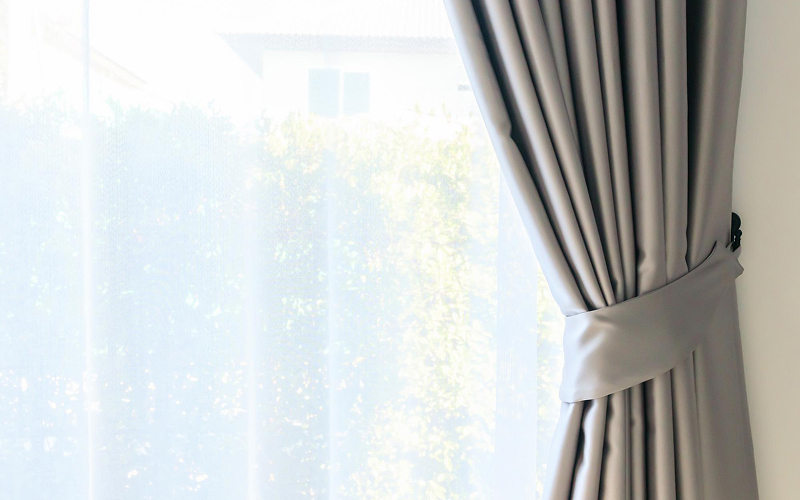
Adding more layers gives sound more material to pass through, which improves the amount of noise absorbed. Day-night curtains, for example, consist of a sheer layer for daytime light filtering and a thicker panel for privacy and insulation. When used together, these layers create a denser barrier at the window, helping to soften incoming noise while still allowing you to adjust light and privacy throughout the day.
Best Curtains to Block Out Noise in HDBs
If you are looking for the best curtains to block out noise, the key is to keep things simple. The thicker the fabric, the better the coverage, and the fewer gaps around your windows, the more effective your setup will be.
Curtains Made Of Heavy And Dense Fabrics
Thicker fabrics reduce more noise than lighter ones. Materials like velvet or tightly woven polyester absorb sound better, making them a practical choice for homes exposed to traffic or street noise. For example, lined or double-layer blackout curtains can help soften noise in bedrooms while also improving light control and heat insulation.
Floor-To-Ceiling Curtains
Full-length curtains provide more consistent coverage across the window. Installing a ceiling-mounted track with panels that run to the floor helps reduce how much sound enters through the window area.
Wider, Fuller Curtain Styles
Curtains with more fabric perform better. Fuller styles create folds that help diffuse sound as it travels through. Options like ripple-fold curtains maintain even coverage across the window, which improves both function and appearance.
When Curtains Alone Are Not Enough
In homes that face busy roads, MRT tracks, or ongoing construction, curtains alone may not be enough to manage heavy or constant noise.
Combine With Other Home Solutions
Add soft furnishings like rugs, fabric sofas, or upholstered panels to help absorb sound within the room, making the space feel quieter overall.
You can also rearrange your layout slightly. Placing bookshelves, wardrobes, or larger furniture against shared walls can help buffer sound. Even small changes like using thicker bedding or padded headboards in bedrooms can make a difference.
Improve Curtain Installation
Small details in your curtain installation can affect how well they perform. Aim to minimise gaps by extending the curtain track beyond the window frame and keeping the fabric close to the wall. Features like a pelmet or curtain box also help reduce sound from above, while sturdy tracks ensure heavier curtains hang properly and maintain full coverage.
Consider Upgrading Your Windows
If noise is still an issue, windows themselves may be the main weak point. Upgrading to better-insulated or double-glazed windows usually has a bigger impact. Curtains can then act as an extra layer to support that setup.
How To Choose The Right Curtains For Your Room
When choosing the best curtains to block out noise, it’s also important to match your choice to the unique needs of each room.
1. Bedroom: Prioritise Rest And Quiet
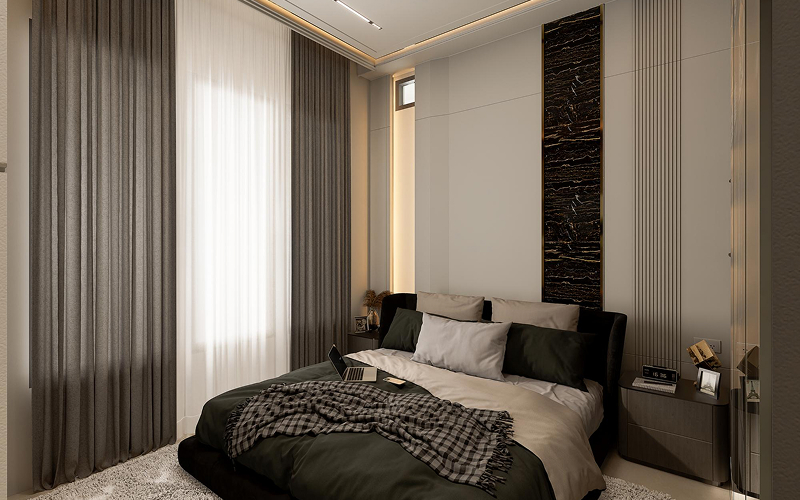
In bedrooms, comfort and rest come first. Curtains here should help reduce both light and external noise as much as possible.
Go for thicker, layered curtains that create a more enclosed feel at night. Heavier fabrics help soften outside noise, which is especially useful if your room faces a road or common corridor. A layered setup also lets you switch between full darkness at night and softer daylight when needed.
2. Living Room: Balance Light And Comfort
The living room is a shared, active space, so the goal is not to block everything out, but to adapt throughout the day.
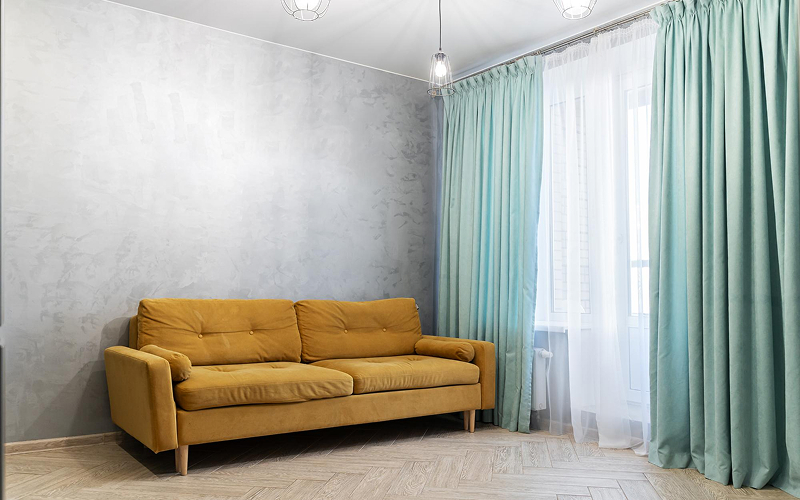
Instead of heavy, fully enclosing curtains, go for a more flexible setup. Sheer curtains can filter daylight and soften the overall environment, making the space feel more comfortable without closing it off. If needed, a secondary layer can be added for privacy in the evenings. It’s best to focus on maintaining brightness and openness rather than maximum noise reduction.
3. Study Or Work Area: Reduce Distractions
For study rooms or home offices, you want a setup that maintains stable lighting and reduces distractions during the day.
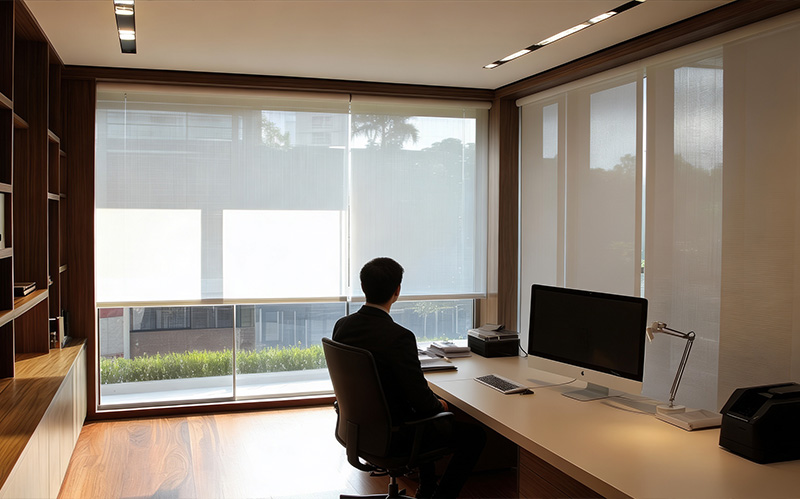
Light-filtering curtains and roller blinds can be useful here, allowing you to control glare more precisely without darkening the room too much. If noise is a concern, pairing blinds with a simple curtain layer can help soften background sounds. Keep the setup clean and minimal to help the space feel less cluttered.
Conclusion
The best curtains to block out noise are those that use thick, well-chosen fabrics, provide full coverage, and are installed to support their performance. While they will not eliminate sound completely, they can reduce how harsh and noticeable everyday noise feels.
Not sure where or how to start? Let De Art Studio help. From selecting suitable fabrics to planning a setup that fits your space, our team can guide you towards practical options that balance comfort, design, and budget. Contact us today to learn more.