Key Takeaways
- Curtains do not last forever. Knowing when to replace your curtains helps you maintain comfort, light control, and a well-kept space.
- Common signs include fading, fabric thinning, lingering odours, and difficulty operating tracks or rods.
- Most curtains last around 5 to 10 years, but heavy use, strong sunlight, and humidity in Singapore can shorten their lifespan.
- Regular cleaning, proper care, and good airflow can help extend how long your curtains stay in good condition.
- Replacing your curtains is also a chance to upgrade your space, whether by choosing better materials, switching to blinds, or combining both for flexibility.
Introduction
You probably already include curtains in your regular cleaning routine. You vacuum them, send them for washing, or freshen them up when they start to collect dust. For a while, that is enough to keep them looking presentable.
But over time, you may start to notice that even after cleaning, something still feels off. The fabric looks dull, the room feels warmer than usual, or the curtains no longer hang as neatly as they used to. These are often early signs that maintenance alone is no longer enough.
Below, we break down the red flags to look out for, how long curtains typically last, and when it makes sense to replace your curtains instead of continuing to maintain them.
How Often Should You Replace Your Curtains?
A common mistake is to assume that your curtains last indefinitely. In reality, you should plan to replace them every 5 to 10 years, depending on the quality of the fabric and how much sunlight and use they are exposed to.
For example, curtains in living rooms and bedrooms tend to wear out faster due to frequent use, while those in less-used spaces may last longer. Certain materials can also affect how quickly your curtains age. Lighter fabrics may show signs of wear earlier, while heavier or higher-quality materials tend to hold their structure and colour better over time.Signs It’s Time for a Curtain Replacement
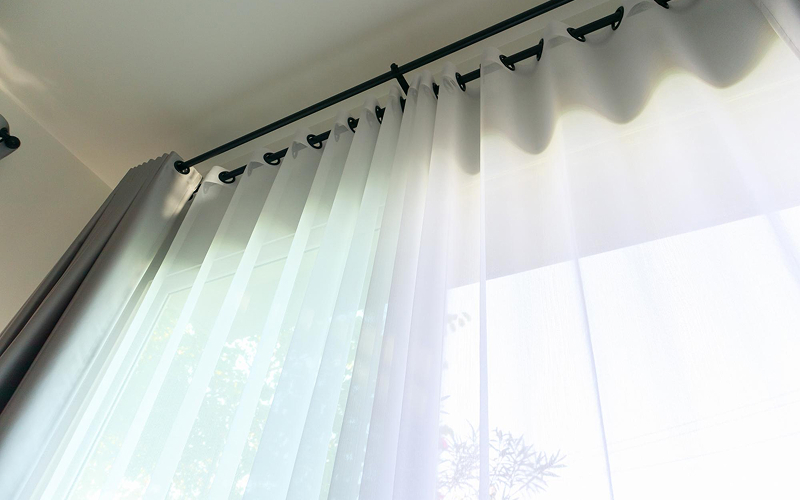
1. Visible Fading or Discolouration
Take a closer look at the side of your curtains that faces the window. If the colour looks uneven or noticeably lighter than the inner folds, sun damage has already set in. UV exposure breaks down fabric dyes over time, which not only dulls the appearance but also weakens the fibres. In bright, west-facing units, this can happen faster than expected.
2. Worn-Down Fabrics
Run your hand along the edges and seams of your curtains. If the fabric feels thinner, brittle, or starts to fray, it is likely breaking down from years of use and sun exposure.
Worn-out curtains also lose their structure, causing them to hang unevenly and look less polished. As the fibres weaken, they become less effective at blocking light and heat, which is why you may notice harsher sunlight or a warmer room even when the curtains are fully drawn.
3. Persistent Stains or Odours
Curtains absorb more than you think. Cooking smells, dust, humidity, and even air pollutants settle into the fabric over time. If you have already washed or dry-cleaned them and the odour still lingers, the fibres have likely absorbed it deeply. At this stage, it makes more sense to replace your curtains than to keep maintaining them.
4. Worn-Out Tracks, Rods, or Hooks
If you find yourself tugging harder to open your curtains or hearing scraping sounds along the track, the issue is no longer just cosmetic. Faulty hardware puts strain on the fabric and makes daily use inconvenient. Replacing both the curtains and the system together gives you a smoother, longer-lasting setup.
Maintenance Tips for Longer-Lasting Curtains
If you want your curtains to stay in good condition for longer, there are a few simple habits you can incorporate into your regular home care routine.
Clean Before Buildup Becomes Visible
Do not wait until the dust is obvious. Fine particles settle into fabric gradually, especially in bedrooms and living areas. Light vacuuming with a soft brush attachment once every one to two weeks helps prevent buildup from embedding into the fibres. This keeps colours looking clearer and reduces the risk of long-term fabric wear.
Match Your Cleaning Method to the Fabric
Different materials respond differently to cleaning. While cotton and polyester blends can usually handle gentle machine washing, delicate fabrics like linen or silk may require hand washing or professional cleaning. Using the wrong method can lead to shrinkage, fading, or loss of structure. Make sure to check your care labels and avoid harsh detergents to further extend the lifespan of the fabric.
Control Humidity and Airflow
In Singapore’s humid climate, moisture can build up quickly, especially in enclosed spaces. Curtains can absorb this moisture, leading to musty odours or even mould growth over time. Keeping windows open when possible, using fans, or maintaining good air circulation helps keep curtains and other upholstery dry and fresh. This is particularly important in bedrooms, study rooms, or areas that do not get much natural ventilation.Should You Replace Your Curtains or Switch to Blinds Instead?
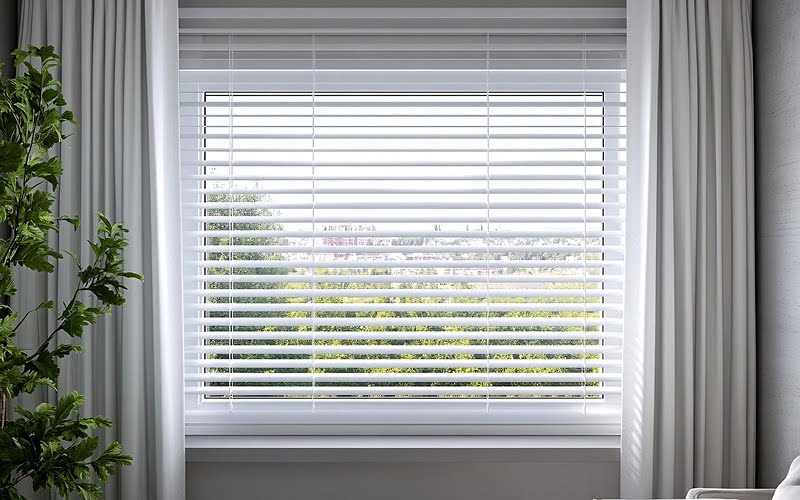
When replacing your curtains, you also have the opportunity to switch to blinds. Here are a few things to consider before deciding what works best for your space.
Stick With Curtains for Comfort and Atmosphere
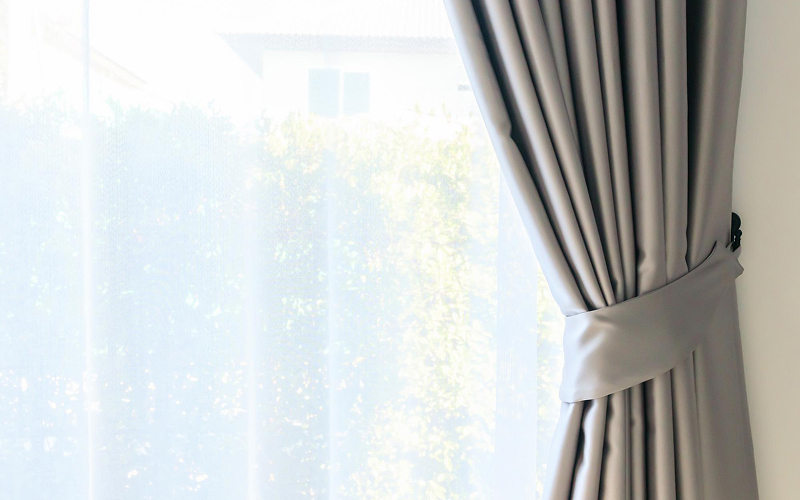
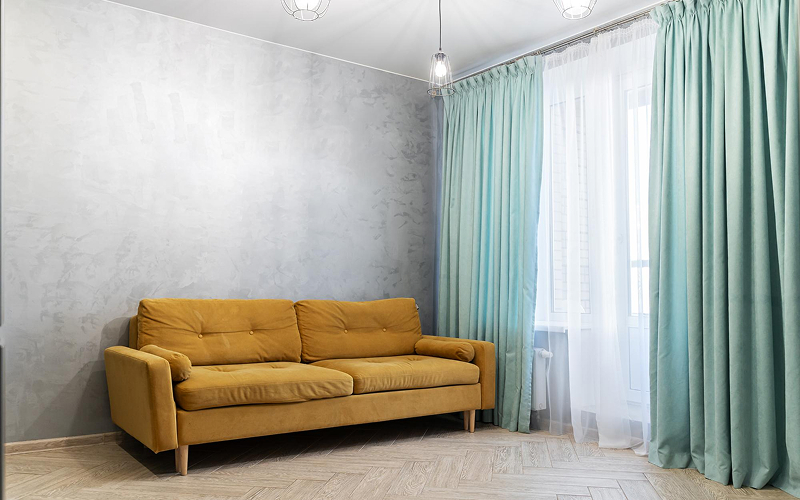
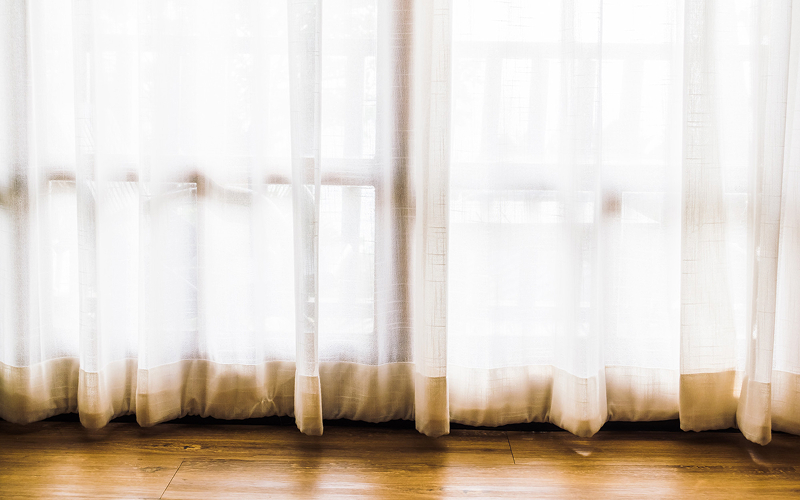
Curtains create a softer, more lived-in feel. Options like sheer or day curtains can help diffuse harsh sunlight during the day, while heavier blackout or dim-out curtains provide privacy and better light control at night. Fabrics such as linen, cotton, or velvet can also add texture and warmth, making them especially suitable for elegant living rooms in landed homes. If you want your space to feel more layered and inviting, updating your curtains is often the better choice.
Switch to Blinds for Practicality and Control
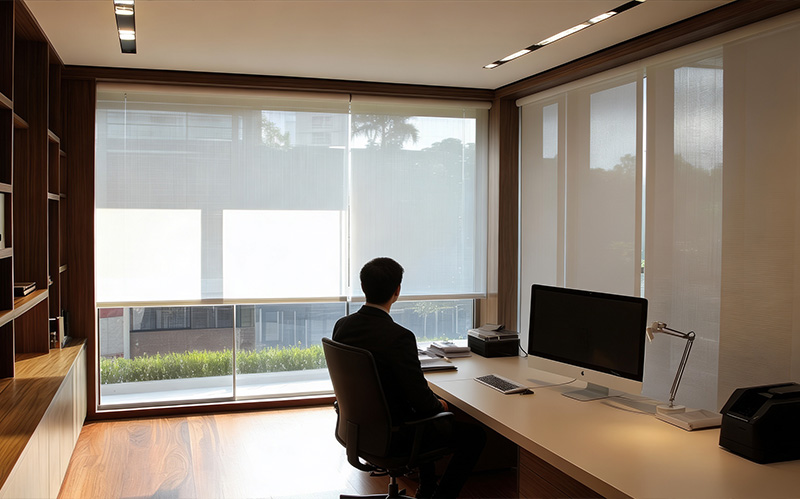
Blinds offer a more structured and low-maintenance alternative. Roller blinds are popular for their clean look and ease of use, while wooden Venetian blinds allow you to tilt the slats for precise light control. Vertical blinds work well for larger windows or sliding doors, such as those leading to balconies in HDBs or condos. These options are especially practical in kitchens, study rooms, or compact spaces where you want functionality without added bulk.
Combine Both for Flexibility
Instead of choosing one option over the other, why not combine both? For example, pairing sheer roman blinds with full-length pleated curtains allows you to manage glare during the day while maintaining a soft, airy look. At night, you can draw heavier curtains for privacy and insulation. This combination works well across different home types, from HDB flats to larger landed properties, where balancing light, ventilation, and aesthetics is key.
Conclusion
Curtains are one of those things you only really notice when they stop working the way they should. Instead of putting up with curtains that no longer feel right, think of it as a chance to improve how your space works for you. Whether it is better light control, easier maintenance, or simply a cleaner, more updated look, the right change can make your home feel more comfortable.
Looking to replace your curtains? Let De Art Studio help. Our team can guide you through the process, from selecting the right fabrics to creating custom curtains that fit your home and budget.
Reach out to explore options that suit your space and bring everything together seamlessly.