Key Takeaways
- A pet-friendly home starts with practical material choices, durable fabrics, easy-to-clean upholstery, and structured window treatments that help reduce daily upkeep.
- Flooring has a big impact on maintenance, with tiles or treated wood offering easier cleaning, while rugs can be used selectively for comfort.
- Good ventilation keeps your home feeling fresh in Singapore’s climate.
- Smart storage helps minimise clutter and keeps your space organised.
- Small safety adjustments, like managing cords and keeping hazardous items out of reach, make your home more comfortable and easier to live in.
Introduction
Living with a pet changes how you use your space. What once felt neat and low-maintenance can quickly become harder to keep up with. Fur gathers in corners, fabrics wear out faster, and cleaning becomes more frequent than you expected.
The good news is that a pet-friendly home does not require a complete overhaul. With a few adjustments, you can create a space that is comfortable and easier to maintain for both you and your furry friend.
Choose Pet-Friendly Materials and Furniture for Your Home
If your dog likes to brush past the curtains every time it walks by, or your cat treats the sofa like its personal lounge, you will quickly notice which materials hold up and which do not.
For Window Treatments
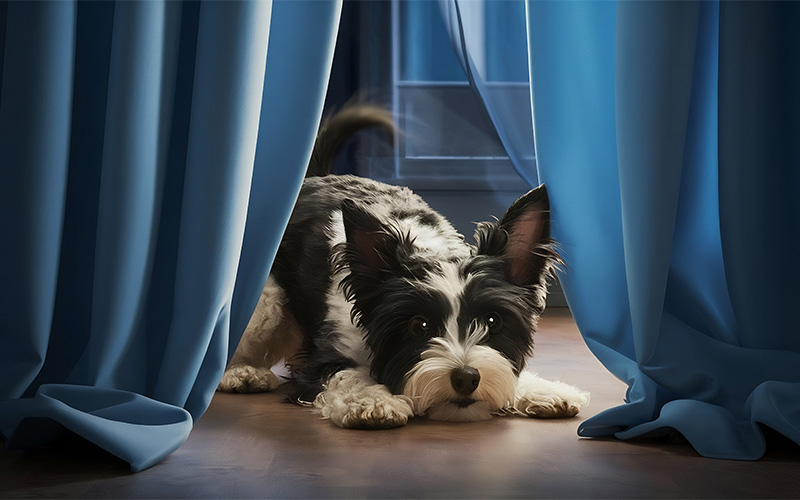
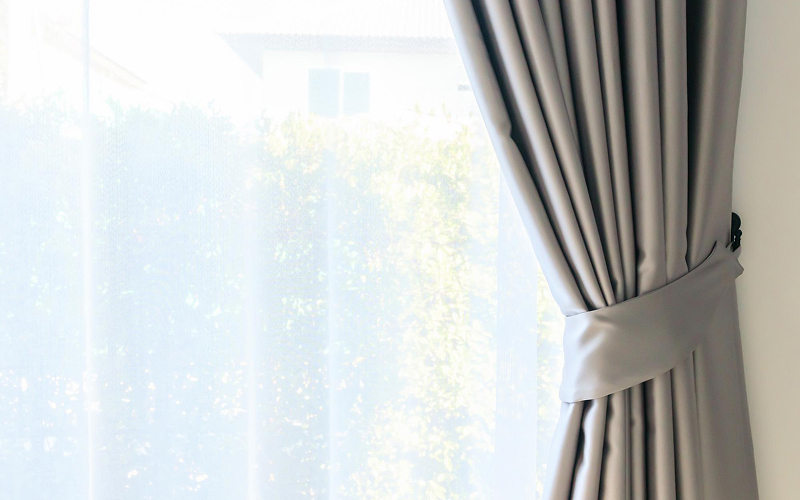
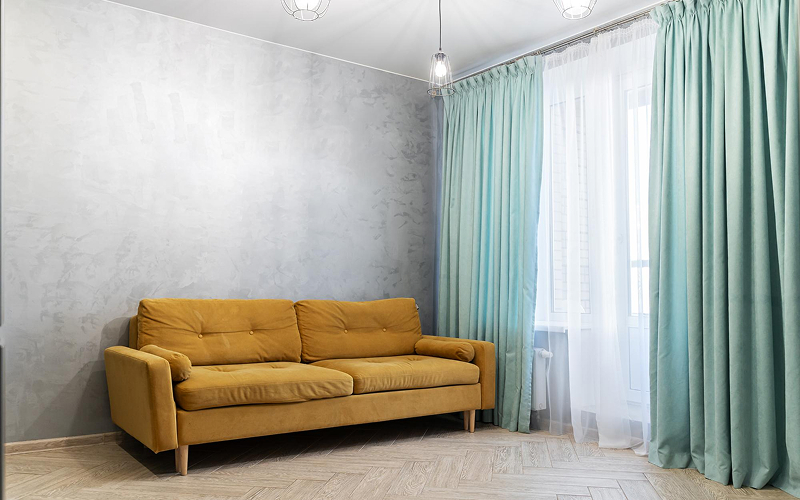
Curtains made of tightly woven fabrics are a practical choice, as they are less likely to snag or trap fur. Fabrics like dense cotton blends or polyester tend to hold their shape better over time and are easier to maintain than looser weaves such as linen.
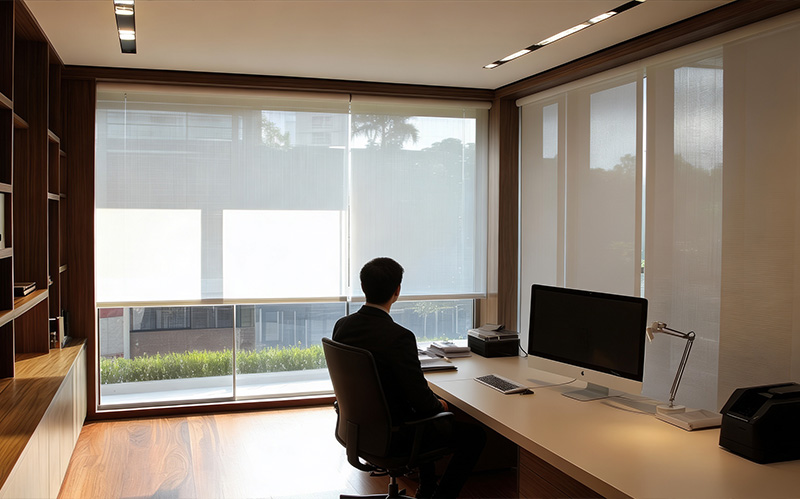
In households with more active pets, wooden blinds can be a more durable alternative. They stay in place more easily and are less prone to wear compared to softer fabrics. Maintenance is also simpler, as most surfaces can be wiped down quickly, making them a practical choice for pet-friendly homes.
For Sofas and Upholstery
Choose materials that can handle regular use without showing every mark. Smooth, stain-resistant fabrics such as microfibre, leather, or performance fabrics are good options, as they are easier to wipe down and do not trap fur as easily. You should also avoid overly delicate textures like velvet, boucle, or loosely woven linen, as they tend to catch fur, show wear more easily, and require more frequent maintenance.
Be Mindful of Flooring
Flooring often becomes the most noticeable pain point once you have a pet. You might find yourself vacuuming carpets more often or worrying about scratches on softer surfaces.
Smooth flooring, such as tiles or treated wood, tends to be easier to manage. These surfaces allow for quick cleaning and are generally more resistant to marks compared to carpets. They also help maintain a cleaner overall look with less effort.
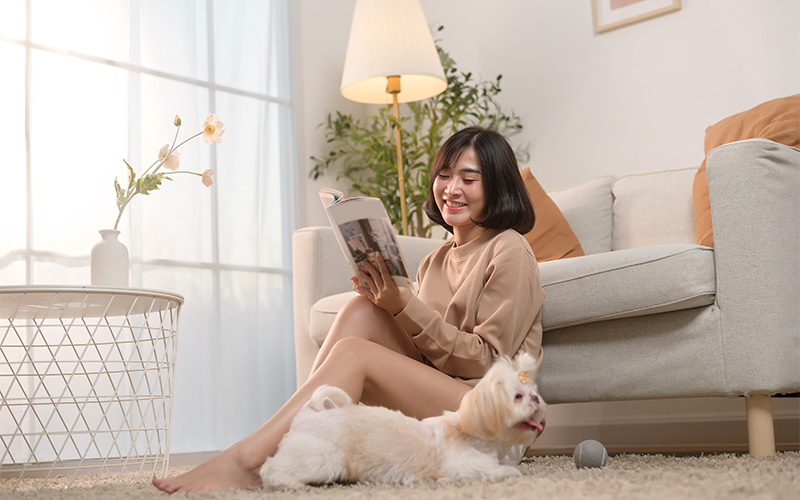
That said, you do not have to give up on comfort entirely. Rugs can still work well when used intentionally. For example, placing a washable rug near your sofa or bed gives your pet a soft spot to rest while keeping the rest of your flooring low-maintenance. If it gets dirty, you can simply clean or replace it without affecting the entire room.
Ventilation Is Key
In Singapore’s warm and humid climate, good ventilation at home is essential. This becomes even more important when pets are part of your household.
Enclosed spaces tend to trap odours and moisture more easily when airflow is limited, which can make the home feel stuffy over time. To improve this, simple habits can go a long way. Opening your windows regularly encourages natural cross-ventilation, helping fresh air move through your space.
You can also support this with tools like standing fans or ceiling fans to keep air circulating throughout the day. In areas with less airflow, an air purifier helps reduce odours and airborne particles, keeping the indoor environment fresher.
Custom or Higher Storage Spaces
If you have ever had your pet run off with a shoe, chew on a cable, or knock over a small item, you will understand how quickly clutter becomes an issue.
This is where storage makes a big difference in a pet-friendly home. Keeping everyday items slightly elevated or neatly stored helps reduce mess and keeps your belongings safe. Built-in cabinets or higher shelving can also make your space feel more organised. It also helps to create a dedicated spot for pet-related items, such as a small storage area for toys, grooming tools, or food supplies.
Be Mindful of Potential Pet Hazards at Home
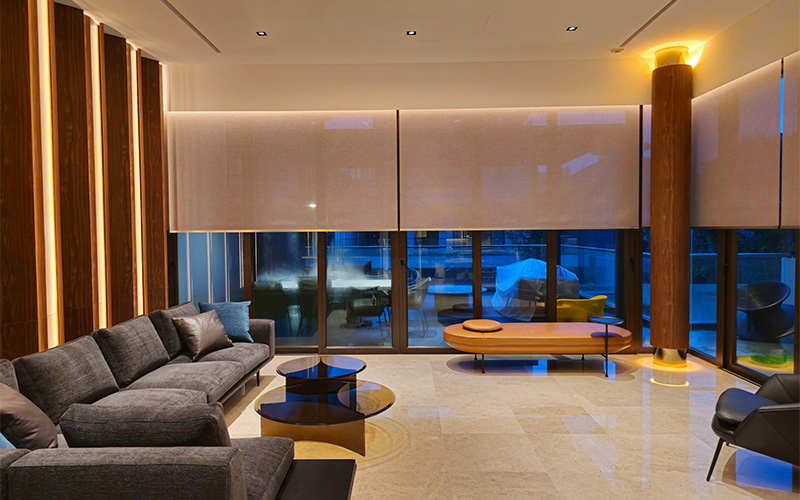
Sometimes, it is the small details that make a home feel harder to manage. For example, a dangling blind cord or long curtain edge can easily become something a pet pulls on or plays with, quickly turning into a mess or causing minor damage. Luckily, these are fairly easy to fix. Switch to cordless options, like motorised blinds, to keep things neat and eliminate the hazard of hanging cords.
It also helps to be aware of what is safe to have around your home. Certain everyday items can be harmful if left within reach. For instance, chocolate can be toxic to dogs, while lilies are dangerous for cats. Wires and cables should also be properly stored or tied up to prevent them from becoming a hazard.
Tailored Solutions for Specific Pets
Every pet has different needs and habits, and your home should reflect that. Instead of forcing a single layout to work for everything, it helps to make small adjustments based on how your furry friend lives.
- Cats often make use of higher spots. Adding a few shelves or creating a simple vertical area can help make better use of space without affecting your overall layout.
- Dogs, especially larger breeds, usually do better in clear, open spaces. Keep your walkways unobstructed and avoid overly tight furniture arrangements.
- For smaller pets like rabbits, rodents, or certain birds, a dedicated corner or enclosed setup works best. This could be a pen, enclosure, or cage placed in a quieter part of the home, away from heavy foot traffic and direct sunlight.
Conclusion
At the end of the day, living with pets is less about changing your entire home and more about making a few practical choices that make everyday life easier. When your materials are easier to maintain and your layout feels more intuitive, your pet-friendly home naturally becomes more comfortable to live in for both you and your furry friend.
If you are thinking about updating your curtains and blinds, it helps to have the right guidance. De Art Studio can walk you through options that suit your space, whether you are looking for durable fabrics or a custom curtain that fits both your design style and daily needs. With the right setup, your home can remain practical without losing its warmth and style.
Reach out to us today.