Key Takeaways
- Choosing between roller blinds vs curtains depends on how you use your space daily, not just design preference.
- Roller blinds offer precise light control, lower maintenance, and a clean look that suits HDBs and compact condos.
- Curtains soften light, add warmth, and help shape a more comfortable, inviting atmosphere in living spaces and bedrooms.
- Space and proportion matter. Blinds keep smaller rooms feeling open, while curtains can enhance height and make larger spaces feel more complete.
- You do not have to choose just one. Layering both gives you flexibility to adjust light, privacy, and ambience throughout the day.
Introduction
When you are deciding between roller blinds vs curtains, it often starts with how you want your home to look. You might be drawn to the clean, minimal feel of blinds or the soft, cosy look of curtains. But once you start thinking about your day-to-day routine, the decision becomes a lot more practical.
Below, we will walk you through the key differences between roller blinds and curtains, how each one performs in real living spaces, and how to choose the option that suits you best.
Roller Blinds vs Curtains: Key Differences
1. Light Control and Privacy
Curtains and blinds both help manage light and privacy in your home, but they do so in different ways. Roller blinds offer more direct and consistent coverage, which is useful for rooms with strong afternoon sun. Blackout options can reduce heat and glare effectively, making them suitable for bedrooms or study areas.
Curtains, in contrast, soften light rather than block it completely. Sheer layers allow daylight in while maintaining some privacy, and thicker drapes can be added for more coverage. However, the control is generally less precise compared to blinds.
2. Aesthetics and Interior Design
The aesthetics matter as well. Roller blinds tend to blend into the background, which makes them ideal for minimalist or modern interiors. If your space focuses on clean lines, neutral colours, or statement furniture, blinds help keep everything looking neat without adding visual weight.
Curtains, on the other hand, play a bigger role in the overall design. The fabric, colour, and how they fall can change the mood of the room. Heavier curtains can make a space feel more private and grounded, while lighter fabrics create a softer, more relaxed atmosphere. In bedrooms especially, this often helps create a calmer, more restful environment.
3. The Illusion of Space
In compact HDB flats or smaller condo units, every element contributes to how spacious a room feels. Roller blinds sit within or close to the window frame, which helps maintain a clean silhouette and prevents the space from feeling crowded.
Curtains require more visual and physical space, but they can also enhance proportions when used correctly. Installing them higher than the window frame and extending them beyond the sides can make ceilings appear taller and windows feel larger. This is particularly effective in living rooms or master bedrooms where you want to create a more elevated look.
4. Maintenance in a Humid Climate
In Singapore, humidity is something you cannot ignore, and it does affect how easy modern window treatments are to maintain. Roller blinds are generally simple to care for. Most can be wiped down quickly, which makes them a convenient option if you prefer something low-maintenance for day-to-day living.
Curtains need a bit more attention, especially if you choose heavier fabrics. They can trap dust and absorb moisture over time, which means they may require regular washing or occasional professional cleaning to keep them looking fresh. If you have pets or are sensitive to dust, this is something worth factoring into your decision.
5. Cost Considerations Over Time
Cost is another factor that often comes up when comparing roller blinds vs curtains. Roller blinds are usually more affordable upfront, and they are easy to replace if needed. This makes them a practical choice for secondary rooms or spaces where function is the priority.
On the other hand, curtains tend to require a higher initial investment, especially if you are going for customised fabrics or full-length installations. That said, they go beyond just being functional and play a key role in shaping the overall look and feel of a space.
Common Misconceptions About Roller Blinds and Curtains
A few common assumptions can make the roller blinds vs curtains decision seem more straightforward than it really is. In practice, the material, fit, installation, and way you maintain each window treatment often matter more than the category itself.
Roller Blinds Cannot Fully Block Out Light Like Curtains
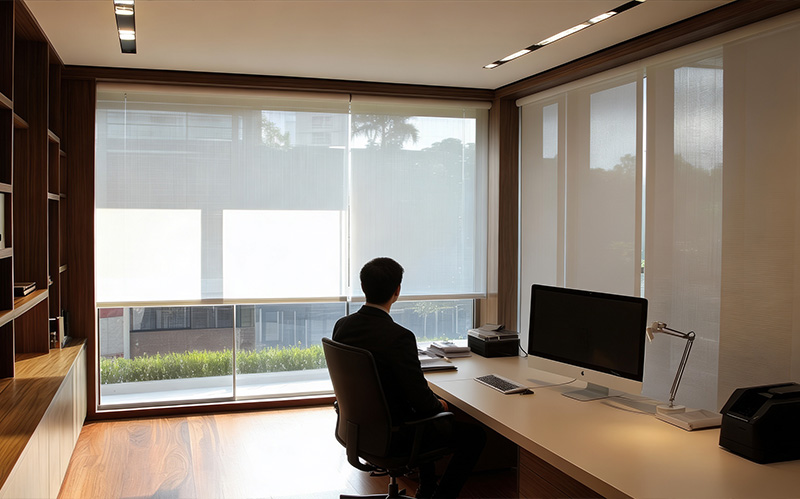
Roller blinds are sometimes associated with the thin, translucent fabrics commonly seen in offices. However, blackout roller blinds use opaque materials that prevent light from passing through the fabric. With sufficient overlap or side channels to minimise gaps around the window, they can create near-total darkness. Day-and-night blinds can also provide stronger light reduction than standard sunscreen fabrics, although their performance depends on the opacity and alignment of the alternating panels.
Curtains Always Provide Better Privacy Than Roller Blinds
Privacy depends more on fabric opacity and window coverage than whether you choose curtains or blinds. A well-fitted blackout roller blind can provide more complete coverage than a lightweight curtain that hangs loosely or leaves gaps at the sides. Conversely, layered sheer and night curtains can give you different levels of privacy as daylight changes.
Roller Blinds Only Suit Modern or Minimalist Interiors
Although roller blinds have a neat, streamlined profile, they are not limited to contemporary homes. Today’s fabrics come in a wide variety of textures, patterns, and understated tones. With the right selection, roller blinds can sit comfortably within classic, Scandinavian, or resort-inspired HDB and condominium interiors while allowing the surrounding furnishings to take visual priority.
Curtains Trap More Dust and Worsen Allergies Than Roller Blinds
Both curtains and blinds collect dust over time. Roller blinds can usually be wiped or vacuumed, while the appropriate cleaning method for curtains depends on their fabric and care instructions. Some can be machine-washed or carefully steamed, while others require professional cleaning. Regular upkeep therefore matters more than the window treatment type alone.
Roller Blinds Are Always Cheaper Than Curtains
Basic roller blinds may cost less than customised full-length curtains, but this is not always the case. Blackout materials, motorised controls, premium fabrics, and installations across wide windows can increase the cost of blinds considerably. A meaningful comparison should account for the material, dimensions, operating system, and level of customisation required rather than relying on product type alone.
Choosing Roller Blinds or Curtains for Each Room in Your Home
Different rooms serve different purposes, so the most suitable window treatment may change across your home. Singapore’s strong sunlight, humidity, compact layouts, and closely facing windows all shape how each option performs in daily use.
Bedrooms: Choose Blackout or Day-and-Night Curtains for More Complete Coverage
For light sleepers, ceiling-mounted blackout curtains or a day-and-night curtain combination are often the more suitable choice. Their wider fabric coverage can extend beyond the window and reduce the side gaps commonly found with standard roller blinds, creating a darker and more restful setting.
Blackout roller blinds remain a practical alternative for compact BTO bedrooms where floor space is limited or for households that prefer a surface that can be wiped down easily. For stronger light blocking, the blind should extend beyond the window opening or be installed with side channels that minimise light leakage around its edges.
Living and Dining Areas: Choose Day-and-Night Curtains for Flexible Light and Softness
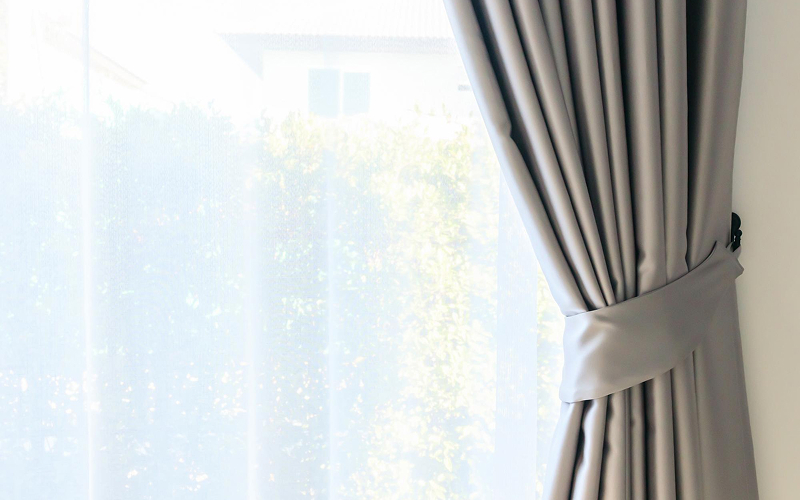
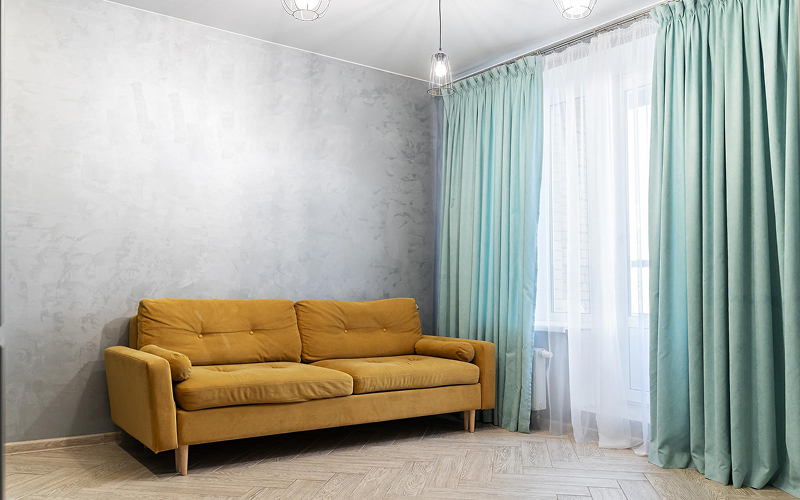
Day-and-night curtains pair a sheer daytime layer with a heavier night curtain, allowing you to adjust daylight and privacy as the day progresses. This combination works especially well across larger living-room windows and balcony doors, where the fabric can soften hard surfaces and make the space feel warmer and more complete.
The sheers can filter Singapore’s bright daylight while preserving an open atmosphere, and the night curtains can be drawn when you want greater privacy or a more enclosed setting. Some local homeowners also favour this arrangement over blinds in living areas because of the visual softness it brings to larger communal spaces.
Kitchens and Wet Areas: Choose Water-Resistant Roller or Aluminium Blinds
Moisture-resistant PVC roller blinds or aluminium Venetian blinds are generally more practical for kitchens, service yards, and other areas exposed to steam or splashes. Their surfaces can be wiped clean, making it easier to remove grease, moisture, and everyday residue.
Fabric curtains are less suitable near cooking and washing areas because they can absorb odours and retain moisture if they are not cleaned and dried properly. Choosing a water-resistant blind helps keep these functional spaces neat without introducing unnecessary fabric.
Home Offices and Study Corners: Choose Day-and-Night Roller Blinds to Reduce Screen Glare
Day-and-night roller blinds, sometimes known as combi or Korean blinds, provide repeatable control over how much daylight enters the room. By adjusting the alignment of their alternating fabric panels, you can reduce glare on a monitor without darkening the entire workspace.
Their slim profile also suits study corners and home offices within compact HDB flats, where full-length curtains may take up more visual and physical space. This makes them a practical choice when you need focused light control while keeping the surrounding area clean and uncluttered.
Choosing Based on How You Actually Live
To make a decision, it helps to think about how you use each room in your home.
Roller blinds are a good fit if you prefer something simple and easy to manage. They work well in spaces where practicality matters, such as study rooms, kitchens, or smaller bedrooms. In compact layouts, they also help keep the space feeling less cluttered.
Curtains are better suited for spaces where you want to focus on comfort and atmosphere. They work especially well in bedrooms and living rooms, where a softer, more relaxed feel makes a difference. If you enjoy layering textures or creating a more styled look, curtains give you more room to play with.
Ultimately, the choice often comes down to whether you prioritise ease of use or how your home looks.
An Alternate Approach: Combining Curtains and Blinds

Rather than choosing one over the other, why combine both curtains and roller blinds?
A common approach is to install roller blinds directly within the window frame, then mount curtains above and slightly beyond the window. This keeps the blinds discreet while allowing the curtains to frame the space more naturally. During the day, you can lower the blinds to reduce glare or maintain privacy without making the room feel too dark. In the evening, closing the curtains helps create a more enclosed and comfortable setting.
You can also mix different materials depending on how the room is used. For example, pairing light-filtering roller blinds with heavier blackout curtains works well in bedrooms, giving you flexibility between soft daylight and full darkness. In living rooms, sheer curtains combined with sunscreen blinds allow natural light in while still softening harsh brightness.
Layering the two window treatments together can give you more control over both function and atmosphere. It allows you to adjust light, privacy, and comfort more easily throughout the day, without relying on a single solution.
Conclusion
When it comes to choosing between roller blinds and curtains, the best choice is the one that fits naturally into your daily life. Some spaces benefit from the clean simplicity of blinds, while others feel more complete with the softness of curtains. In many homes, a thoughtful combination of both brings out the best of each, giving you better control over light, privacy, and overall comfort.
Not sure where to start? Let De Art Studio help. Explore a wide range of fabrics, finishes, and window treatment options, with a team that helps you match each choice to your space, lifestyle, and budget. Get in touch with us today to learn more.